
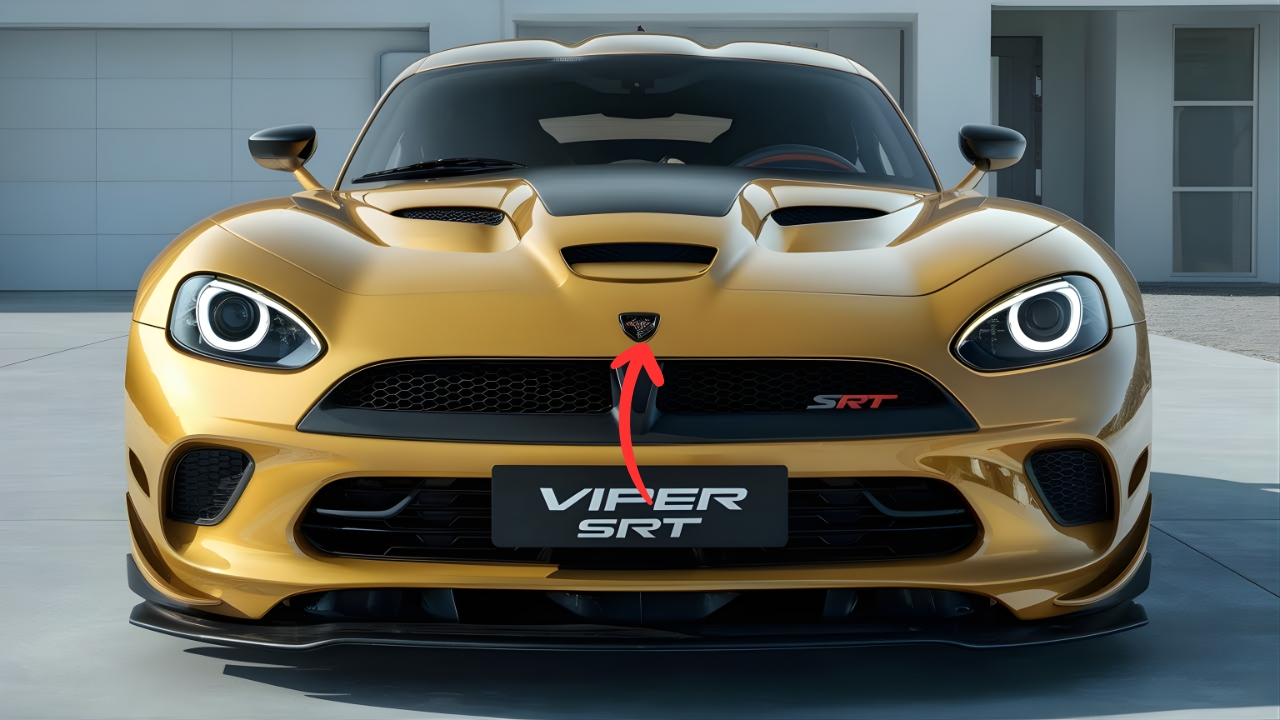
2026 Dodge Viper, 850 horsepower supercar, high-performance American sports car: The return of the Dodge Viper is shaping up to be one of the most anticipated automotive comebacks in recent years. With performance-focused cars becoming increasingly electrified, this revival signals a bold move toward preserving raw driving excitement.
This matters now because enthusiasts have been অপেক্ষing for a true driver-focused machine in a market shifting toward automation and efficiency. The Viper’s return suggests that there is still space for uncompromised performance and traditional engineering.
Aggressive Exterior Design Evolution
Classic Viper Styling with Modern Enhancements
The 2026 Viper stays true to its iconic silhouette while incorporating sharper and more aerodynamic elements. A long hood, wide stance, and deep air intakes emphasize its performance intent.
Slim LED headlights and a sculpted front fascia give it a modern edge, while carbon fiber components enhance both weight reduction and visual appeal. The rear features a wide diffuser and quad exhaust outlets, reinforcing its track-ready identity.
Interior Built Around the Driver
Focused Cabin with Premium Materials
Inside, the Viper maintains a driver-centric layout. High-quality materials like Alcantara, carbon fiber, and leather create a purposeful yet premium environment.
A digital instrument cluster provides essential driving data, while the central infotainment screen handles connectivity and navigation. Supportive bucket seats and a performance-oriented steering wheel enhance control during spirited driving.
Performance and Engine Capabilities
High Output with Pure Driving Feel
The highlight of the new Viper is its expected high-performance powertrain. While exact specifications remain closely guarded, it is positioned as a true performance machine.
| Feature | Expected Capability |
|---|---|
| Power Output | Up to 850 horsepower |
| Engine Type | V10 or twin-turbo V8 (expected) |
| Drivetrain | Rear-wheel drive |
| Transmission | Manual / dual-clutch |
| Performance Focus | Track-ready dynamics |
The emphasis remains on delivering raw power and a direct connection between driver and machine.
Handling and Driving Dynamics
The Viper is engineered to deliver precise handling and strong road feedback. Lightweight construction and an advanced chassis improve agility and stability.
Adaptive suspension systems help balance comfort and performance, while high-performance braking ensures confidence at high speeds. This setup makes it suitable for both track environments and controlled road driving.
Advanced Technology and Safety Features
Modern Systems Without Losing Focus
Despite its performance-first approach, the 2026 Viper incorporates essential technology features. Driver assistance systems such as stability control, traction management, and braking support enhance safety without reducing engagement.
Digital interfaces provide real-time performance data, allowing drivers to monitor and optimize their driving experience.
Why the Viper Comeback Matters
The return of the Viper represents more than just a new model—it reflects a broader shift in the performance car segment. As many brands move toward electrification, this model highlights continued demand for traditional high-performance vehicles.
It appeals to enthusiasts who value control, sound, and mechanical engagement over digital isolation.
Legacy and Brand Identity
The Viper has always been known for its uncompromising character. The new model builds on that legacy while integrating modern engineering advancements.
This balance ensures that the vehicle remains relevant while preserving the qualities that made it iconic.
Driving Experience and Real-World Appeal
The 2026 Viper is expected to deliver an engaging driving experience with strong acceleration, responsive steering, and a connected feel.
While not designed for everyday practicality, it offers a unique proposition for drivers seeking performance-focused vehicles with minimal compromise.
2026 Dodge Viper
The 2026 Dodge Viper stands as a powerful statement in today’s evolving automotive landscape. By combining high output performance, modern design, and driver-focused engineering, it reinforces the importance of traditional sports cars in a rapidly changing market.